Scroll down
By Lauren Davis
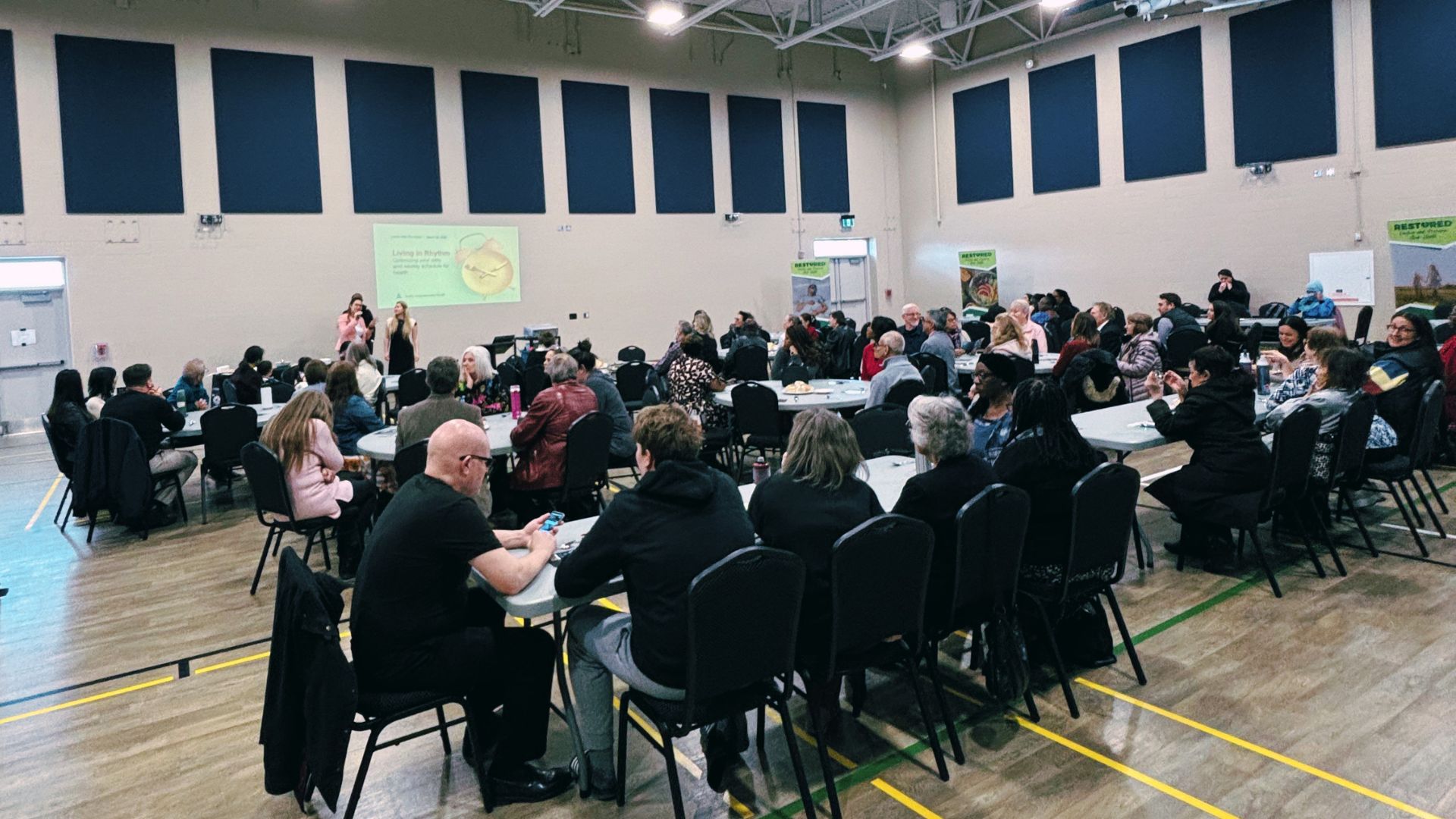
HAMILTON, ON - When it comes to whole-body health, timing matters, according to a March 28 presentation at the Really Living Centre and Seventh-day Adventist (SDA) church in Hamilton.
"When we live in rhythm with our body's natural cycles, it promotes health," said Dr. George Cho, naturopathic doctor and lead at Paradise Health Clinic.
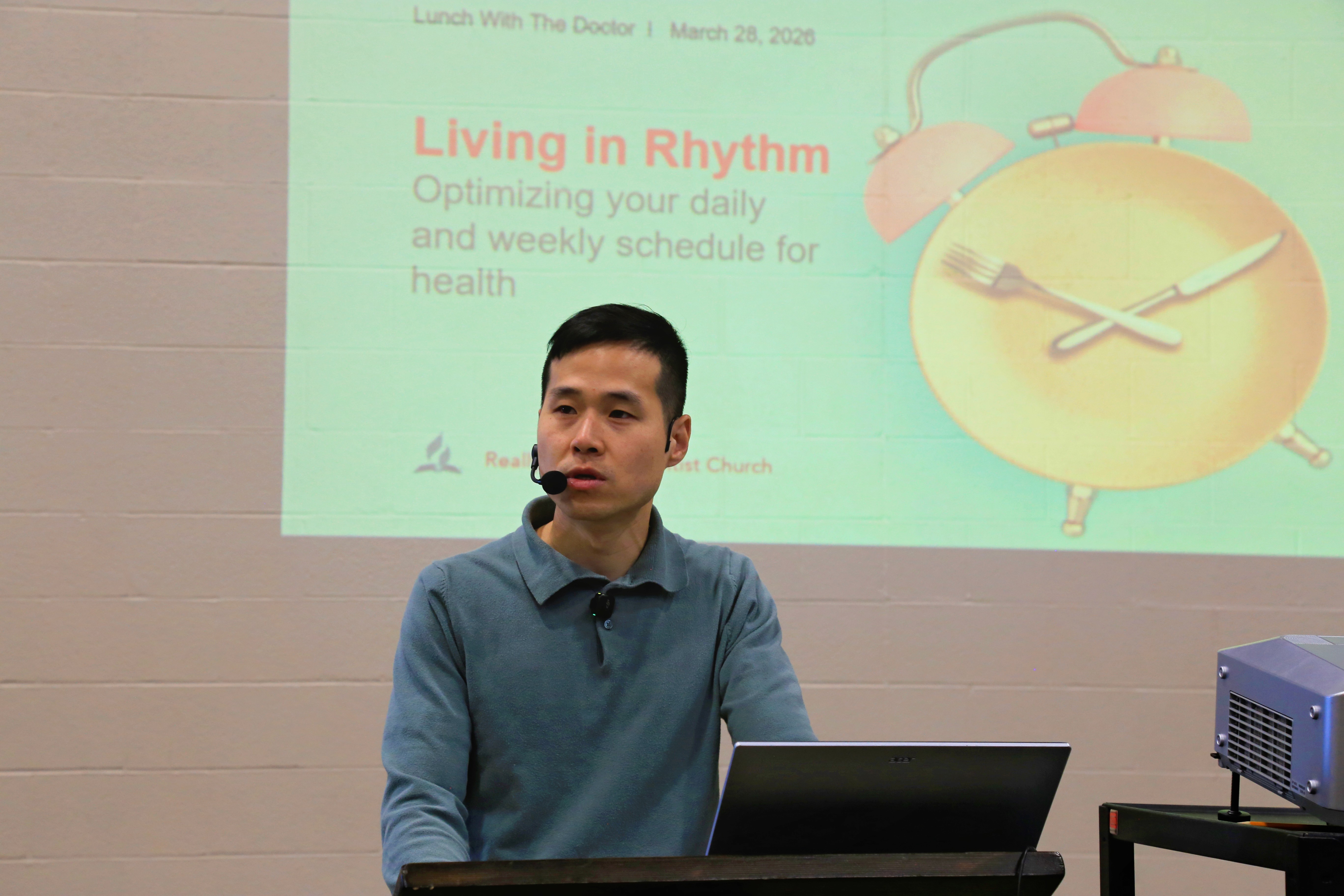
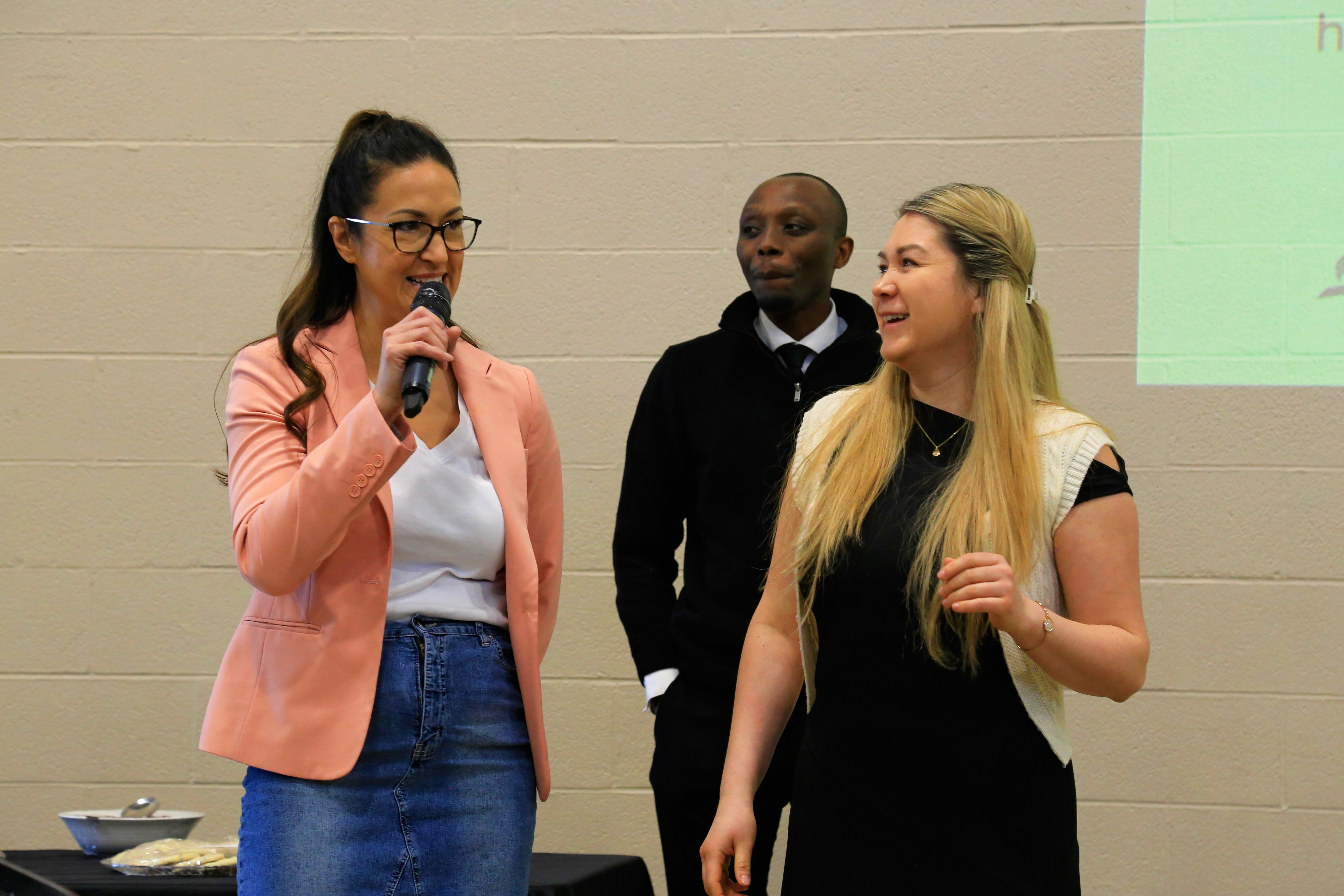
Dr. George Cho speaks to an audience at the Really Living Centre. | Photo Credits: Nikki Anniehs
Dr. Cho’s practice focuses on evidence-based lifestyle medicine, exercise therapy, and diagnostic testing to prevent and treat chronic conditions.
His interest in circadian health began in childhood, when he lived off the grid in the Kawartha Lakes region in Ontario. Without reliable electricity, his family often went to sleep shortly after sunset, as candles and lamps provided limited light for evening activities.
"Life before modern technology was regulated from sunrise to sunset," said Dr. Cho. "I believe the evidence shows the best way to promise ourselves optimal health, is to do our best to live in rhythm with the sun."
The presentation, titled Lunch with the Doc, outlined five key elements that, when practiced at our bodies optimal time, may support longevity: sleep, sunlight, movement, eating schedule, and rest.
Sleep in Rhythm
Dr. Cho opened the sleep segment with a quote from Russel G. Foster, a professor of circadian neuroscience, who warns, "We ignore circadian sleep systems at our peril."
The evidence shows that the earlier you go to sleep, the better the quality of your rest, added Dr. Cho, using the following example: if one person sleeps from 8 p.m. to 5 a.m. and another from 12 a.m. to 9 a.m., they may get the same hours, but differing quality.
This can present challenges for individuals whose work schedules don’t align with early sleep patterns.
"As a nurse, I work until 11 p.m., so I can't go to bed at 8 p.m.," said Shae Gowdie, member of the Really Living SDA Church.
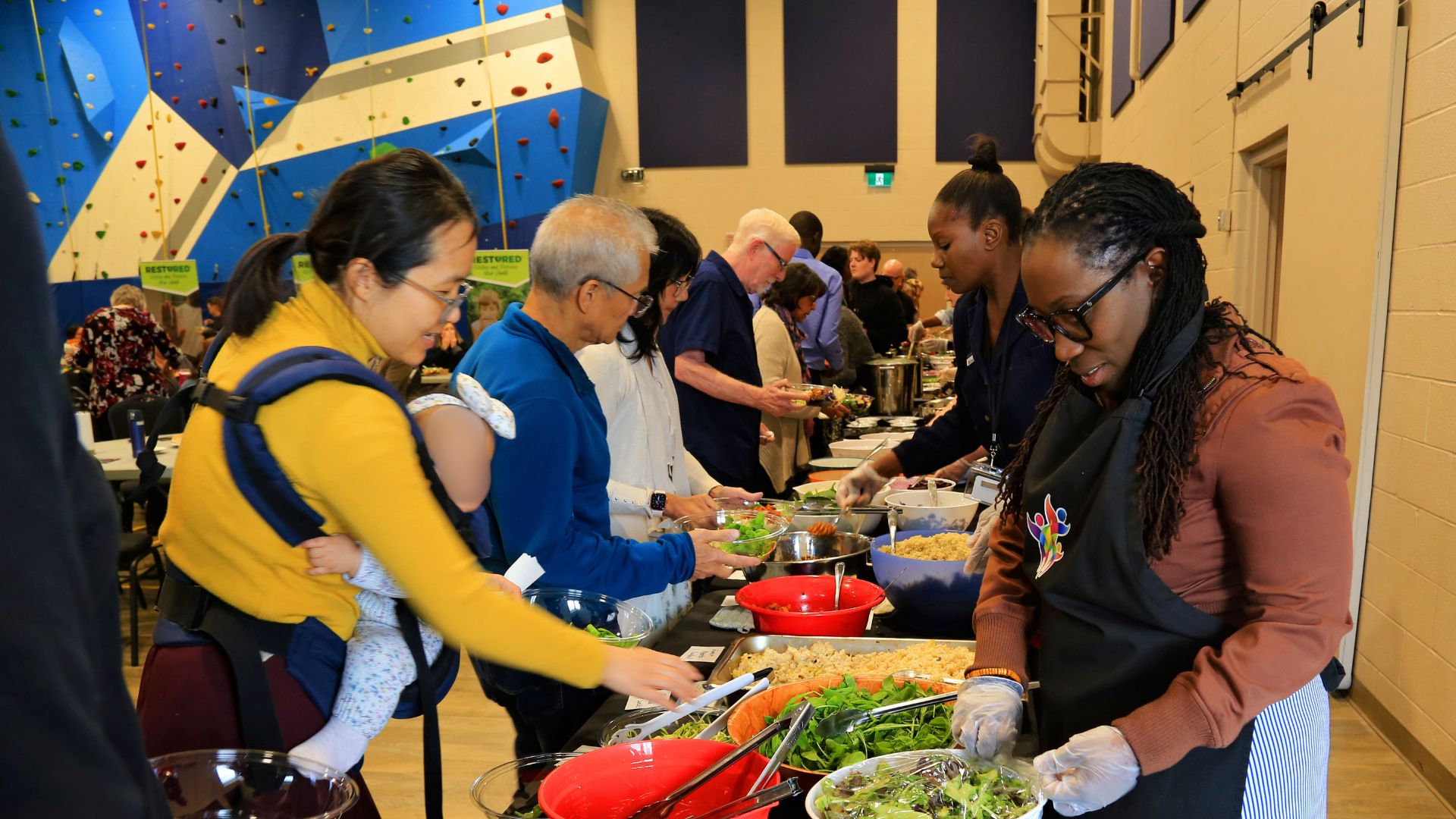
Shae Gowdie, Lunch with the Doc volunteer, serves food provided by Paradise Fields Farm. | Photo Credits: Nikki Anniehs
After working night shifts for 15 years, Janie Cruz, Lunch with the Doc event volunteer, noticed the toll it was taking on her body.
"I always noticed I was in a bad mood," said Janie Cruz. "Mentally and physically I was drained, but thankfully I was able to shift to days and I have noticed quite an improvement."
Dr. Cho acknowledged these challenges and encouraged flexibility.
"I tell my patients to try and do the best that they can with the schedule they have."
The presentation also highlighted the importance of natural light exposure.
Using lux, a measurement of light intensity, Dr. Cho explained that typical indoor lighting averages around 500 lux, while even an overcast day can reach 1,000 lux or more.
"The light from indoor workplaces or homes does not have the same effect," he added. "It must be natural daylight, even 30 minutes of sunlight can make a difference."
Daily sunlight exposure has been linked to improved sleep patterns, including easier morning wakefulness and fewer symptoms of insomnia.
Move and Eat in Rhythm
As modern life becomes more sedentary, global data from researchers at the World Health Organization (WHO) show nearly one-third of adults worldwide did not meet the recommended levels of physical activity in 2022.
Physical inactivity is a major contributor to chronic conditions such as Type 2 Diabetes, heart disease, and certain cancers.
Dr. Cho emphasized that while exercise supports circadian health, timing also matters.
"Exercising late at night delays the release of melatonin," said Dr. Cho. "I suggest keeping rigorous exercise to at least four hours before your sleep time."
High-intensity workouts late in the evening can raise core body temperature and stimulate the body, which may make it harder for some people to fall asleep. They can also increase energy expenditure and, in some cases, trigger hunger signals afterward.
Michael Cordeiro, a member of the Really Living SDA Church, said his evening sports schedule affects his eating habits.
"Typically I eat late at night, especially after playing sports or going to the gym," Cordeiro said.
A typical Canadian diet often starts with a lighter breakfast and progresses to larger meals later in the day. Dr. Cho suggests this pattern works against the body's natural rhythm.
"If a person fasts from 8 a.m. to 4 p.m., they would be very hungry," said Dr. Cho. "Yet, if a person fasts from 8 p.m. to 4 a.m., they would likely not feel hungry."
A 2026 study published in Arteriosclerosis, Thrombosis, and Vascular Biology found that extending overnight fasting to align with sleep improved blood pressure, heart rate, and glucose regulation.
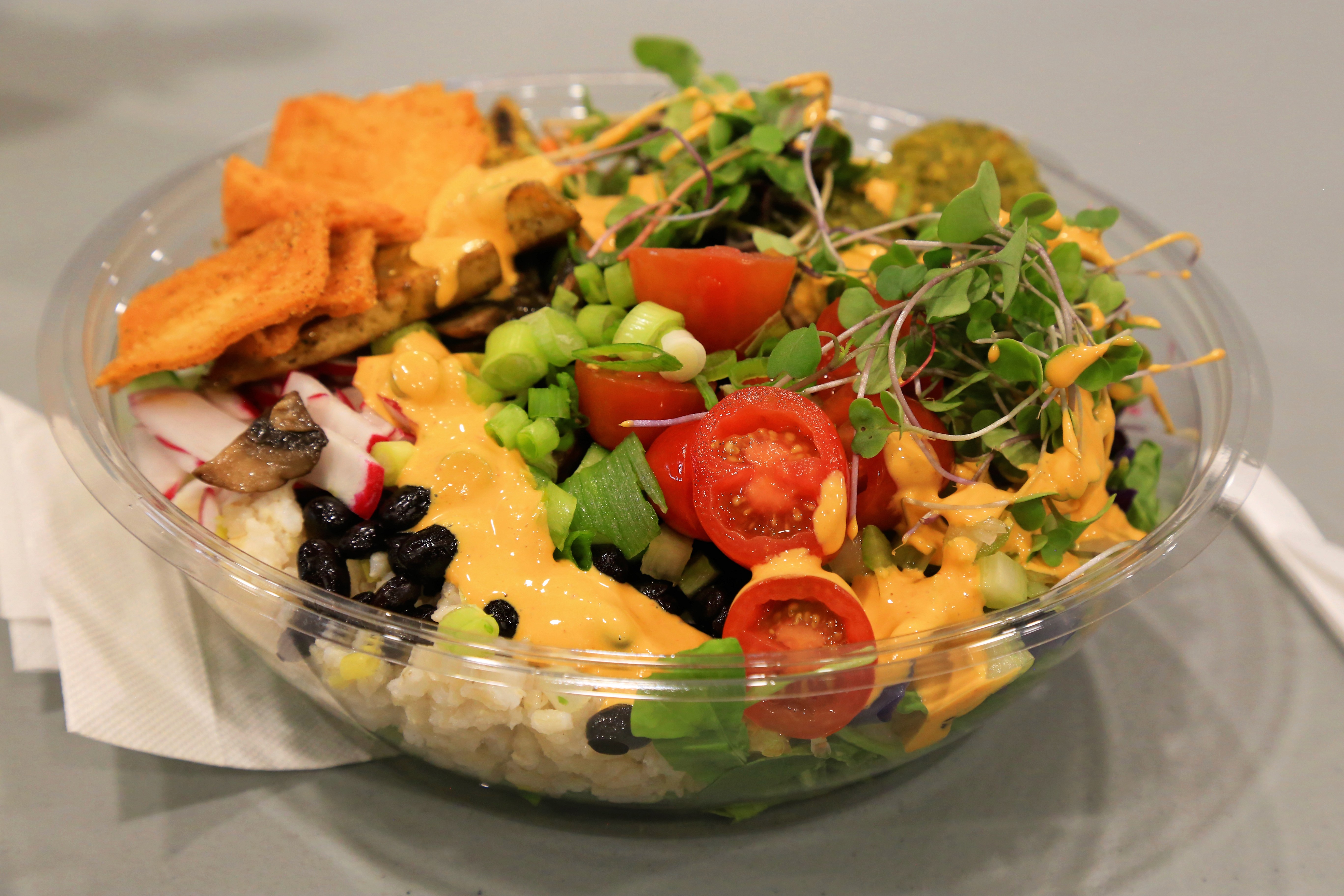
Customized salad bowl prepared at Lunch with the Doc. | Photo Credits: Nikki Anniehs
Keeping with this theme, when we eat can be just as important as what we eat, Dr. Cho explained that meal frequency also plays a key role. Research suggests that when someone eats three meals a day with snacks in between, the body remains in a near-constant state of digestion.
"It takes five to six hours to completely empty the stomach," said Dr. Cho. "Snacking in between meals is like adding wet clothes into a drying machine that's already halfway through it's cycle."
Audience member Kristen Cordeiro said the idea changed how she thinks about digestion.
"I have never thought about my stomach like how he presented," said Cordeiro.
Resting in Rhythm
The last key element for overall health differs from the previously mentioned, explained Dr. Cho. It comes from the Bible, in a book called Exodus, chapter 20, verses 8 to 11.
"Remember the Sabbath day, to keep it holy. Six days you shall labor and do all your work, but the seventh day is the Sabbath of the Lord your God. In it you shall do no work: you, nor your son, nor your daughter, nor your male servant, nor your female servant, nor your cattle, nor your stranger who is within your gates. For in six days the Lord made the heavens and the earth, the sea, and all that is in them, and rested the seventh day. Therefore the Lord blessed the Sabbath day and hallowed it."
The seven-day week does not have a clear scientific or astronomical origin, Dr. Cho explained. While a year is based on the Earth’s orbit around the Sun, a month on the Moon’s orbit around the Earth, and a day on the Earth’s rotation on its axis, the weekly cycle is rooted in the Creation story summarized in Exodus, chapter 20, verses 8 to 11.
"Sometimes a meal can feel incomplete without dessert," said Dr. Cho. "Ending your week in rest on the Sabbath is the dessert that completes the week."
The presentation finished with a reminder that these are general principles for optimal health. Each person should do the best that they can with the time they are given. In a world that often pushes against natural rhythms, the invitation is simple: return to what God designed. Whether through sleep, light, movement, or the Sabbath, small changes in timing may help bring both the body back into alignment.
Disclaimer: This article is for informational and educational purposes only. It does not provide medical advice, diagnosis, or treatment. The opinions expressed by individuals in this article, including Dr. George Cho, reflect personal experience and naturopathic research but should not be taken as a substitute for professional medical advice. Always consult a licensed healthcare professional before making any changes to your diet, exercise, sleep, or health routines.

2025
Scroll down